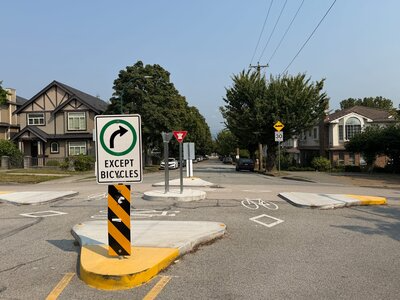
It's an all-too-common scenario: a parking space disappears from a main street, absorbed into a growing network of bicycle lanes. The ribbon is cut; the project is declared complete; and the city moves on, with policymakers certain they've made a positive impact.
What they've actually made is an inconvenience.
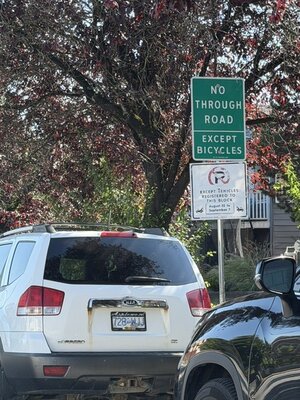
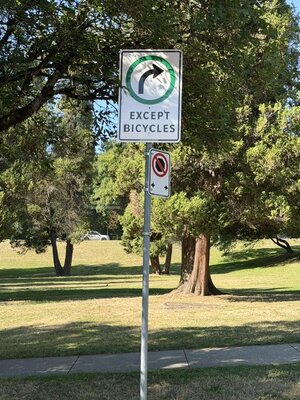
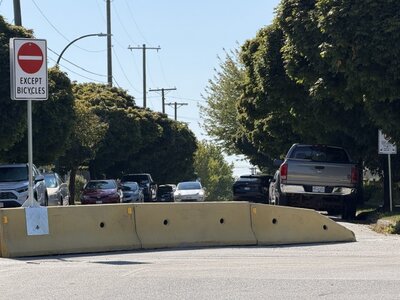
With the rise of traffic calming measures comes a push for bicycle lanes - and parking spaces are among the first infrastructural changes needed to accommodate the new designs. The intention is to reduce vehicle volumes and improve flow. Eliminating the available slots, however, does not address the issue of congestion; it simply displaces cars onto other streets and outsources the overcrowding.
A recent San Luis Obispo, California analysis projected that removing parking for a proposed bikeway could push peak occupancy above 100% on some residential street segments - leaving local communities overwhelmed by an influx of traffic and unable to adapt to high-volume parking patterns. Meanwhile, a 2026 Berlin study examined the repurposing of approximately 350 spaces (or 13% of local on-street parking). Researchers found both an increase in displacement into adjacent neighbourhoods and extended search times.
In Portland, Oregon drivers experienced severe parking difficulties. A 2014 evaluation of protected bike lanes found that 49% of surveyed residents struggled to find parking spaces after many had been removed in a street re-design; and more frustrating was the reveal that the problem was not corrected in the long-term, even with the addition of 21 new spaces. The community still reported difficulties with securing spots during high-volume time periods.
The necessity of bike lanes is not debated. The placement of them, however, is - especially when they demand a sacrifice of crucial parking spaces and redirect traffic to streets that cannot properly accommodate the flow. What advantage has been gained when residents can no longer navigate their own neighbourhoods?
Sources
City of San Luis Obispo Analysis
Transportation Research Part D (2026)
Lessons from the Green Lanes Report