With peak hours comes peak traffic. Drivers take to the streets, either reluctantly beginning their days or rushing toward the end - and the long line of vehicles wreaks havoc, creating stop-and-go patterns and bottleneck frustrations.
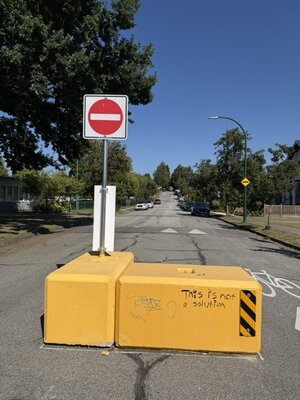
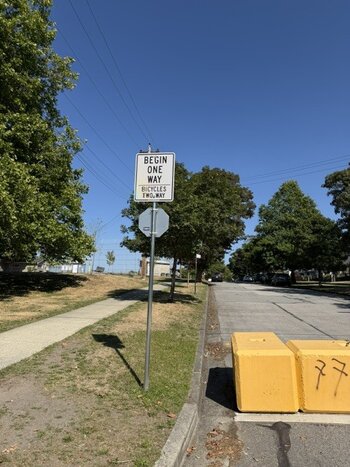
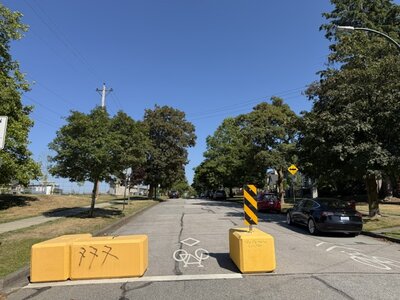
Those frustrations only increase when traffic calming measures are improperly implemented.
A 2019 study of residential streets found that closely spaced traffic calming features could reduce roadway capacity by 30–33%, limiting vehicle movement and increasing the chance of sudden bottlenecks. Speed tables spaced 1,050 feet apart lowered capacity by 23%; and those placed 350 feet apart spiked that reduction to 32%, creating unforgiving flow patterns.
The consequences extend beyond commuters, however. The U.S. Federal Highway Administration found delays of up to 9.4 seconds per speed hump and up to 10.7 seconds per traffic circle for emergency vehicles. Repeated across a route, these delays can accumulate at significant amounts - undermining response times and further adding to the bottleneck.
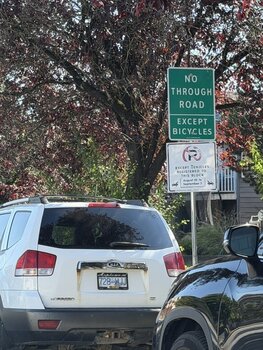
East Vancouver residents deserve more hastily erected barriers and complicated routes. Traffic calming may reduce speeds - but it increases congestion, leaving drivers trapped in stop-and-go commutes.
Sources
Chimba & Mbuya, Simulating the Impact of Traffic Calming Strategies
Federal Highway Administration, Traffic Calming ePrimer: Module 5
Federal Highway Administration, Traffic Calming ePrimer: Module 4